I’m excited to share with you that I will be launching a podcast in 2026… and you can join in the launch event from 14-15 November 2025. Please read on for more information.
New Podcast Event “26for26” to Launch in Support of The Message Ethiopia
Cape Town, South Africa — In a bold and inspiring initiative, Tim Tucker, Africa Development Director, is set to launch a new podcast in 2026 titled Follow Forward: Real stories. Global voices. Christ-centred leadership. The podcast will spotlight authentic stories of leadership and faith from around the world, aimed at equipping and encouraging emerging leaders.
To celebrate the launch and raise support for a new Message hub in Addis Ababa, Ethiopia, Tucker will host a unique live-streamed event called 26for26—a 26-hour global podcast marathon featuring 24 interviews with leaders whose lives reflect transformation, hope, and purpose.
The event will run from 12pm (SAST) on Friday, 14 November to 2pm (SAST) on Saturday, 15 November 2025, and will be streamed live across platforms. Conversations that capture the heart, vision, and quality we aim for will be included in the official podcast series for listeners to enjoy.
“Your story has the potential to deeply impact both emerging and established leaders around the world,” says Tucker, who is inviting friends and partners to join him as guests during the live event.
The 26for26 initiative not only marks the beginning of a powerful storytelling platform but also supports the strategic expansion of The Message Trust’s work in Ethiopia, where the new hub will focus on youth engagement and community transformation.
Guests will participate remotely via a live streaming platform, with full technical support provided to ensure a smooth experience.
For more information, to participate or to sponsor, please contact:
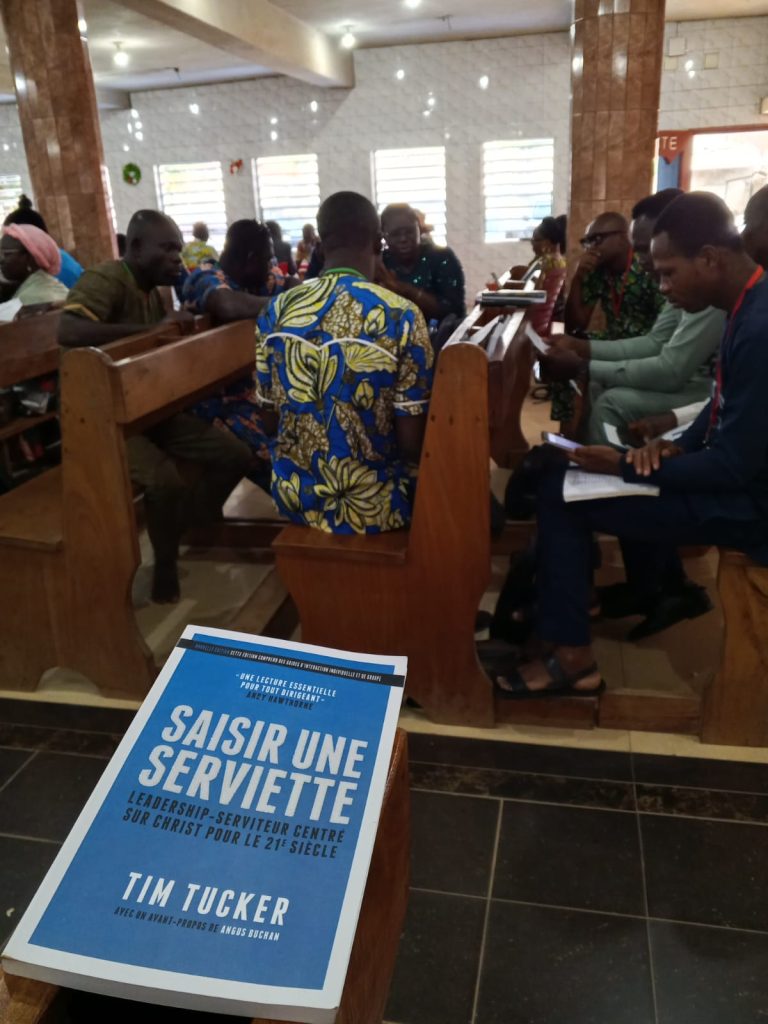
In July 2025, over 200 leaders gathered in Lomé, Togo for a two-day Servant Leadership Conference. Hosted by Developing Africa Together and The Message Trust, this event marked a major milestone, as it featured the official launch of the French edition of Grab a Towel, titled Saisir une Serviette.
Given my passion for equipping African leaders, this is a significant step forward. Across Africa, 21 countries list French as a primary or secondary language, with an estimated 167 million French-speaking people. This represents a huge opportunity, especially as there is a clear shortage of Christian leadership resources available in French.
Why Togo?
This is one of those incredible stories that only God could orchestrate.
A few years ago, I received a Facebook message from Steve Williams, an American pastor from Ohio, who had read Grab a Towel and wanted to buy copies for all his friends in Christian leadership. One of those friends was Emmanuel Agbovi, a Togolese expat living in Cleveland, Ohio. He is also an elder at Christ Community Chapel, a church attended by some mutual close friends of mine, whom I was scheduled to visit in 2023.
This led to a divine connection. I was able to meet both Steve and Emmanuel in person. Emmanuel had read the book and shared it with English-speaking pastors in Togo, who all felt strongly that it needed to be available in French. Emmanuel’s charity, Developing Africa Together, agreed to sponsor the translation and commissioned Pastor Raphael Guegue, a Togolese leader, to translate the book.
And so, oulà, the journey began. The final result is a beautifully translated edition, complete with the interaction guide.
Launching in Lomé
In July 2025, I travelled to Togo for the official launch. Togo is a beautiful country located between Benin and Ghana. I was joined by two South African pastors and warmly hosted by Emmanuel and Raphael.
It was an incredible experience. We have now begun praying and planning for the opening of a Message hub in Togo. As you’ll see from the feedback below, the response to the conference was overwhelmingly positive.
We now hope to serve other French-speaking nations with servant leadership resources and training. If you would like more information, please feel free to get in touch.
The French edition is also available on Kindle. You can find it here: 👉 https://amzn.eu/d/46OXqYU Please share the link with anyone who might benefit.
Conference Reflections from Delegates
Pasteur Didier Kougblenou
“I give glory to God for the success of this conference held in Lomé on 10–11 July 2025, under the theme Christ-Centred Servant Leadership.
The sessions reminded me once again that, to be a servant leader according to God’s heart, we must love, humble ourselves, and serve, while keeping Jesus Christ at the centre of our leadership.
I was enriched, encouraged, and strengthened. It is a personal challenge I now carry into the next phase of my ministry.
I commend the speakers for the quality and depth of their teaching, and express deep gratitude to Developing Africa Together for making this impactful event a reality, for the glory of God.”
Virginie Kpamnona
“This Christ-Centred Servant Leadership conference truly challenged me. Through gospel-based teaching, I rediscovered a leadership model rooted in humility, service, and sacrificial love.
The facilitators powerfully highlighted how Jesus, by washing His disciples’ feet and giving His life, embodies perfect leadership. It made me reflect deeply on how I lead, not by trying to impress or dominate, but by serving those around me.
What touched me most was the reminder that true leadership begins with a heart transformed and fully obedient to God.
This conference strengthened my commitment to live out Christian virtues more intentionally, both personally and professionally.”
Pasteur Ferdinand Kpakou
“I give thanks to God for this powerful conference held on 10–11 July 2025, under the theme Christ-Centred Leadership.
I left encouraged, strengthened, and deeply challenged. This event has had a profound impact on me and has brought real transformation in my life. By God’s grace, it will also bring lasting change in my ministry.
The speakers were experienced and shared not just theory, but truths they live out. I have studied servant leadership before, but this conference provided practical tools and fresh insights.
One phrase still echoes in my heart, ‘In unity and mutual submission, it’s amazing what can be accomplished when no one seeks the credit.’
May God continue to bless the organisers and speakers in the name of our Lord Jesus Christ.”
There are many mind-blowing verses in the Bible, but this promise from Jesus grabs me by the throat every time I read it:
“Very truly I tell you, whoever believes in me will do the works I have been doing, and they will do even greater things than these, because I am going to the Father.” (John 14:12)
Wait—did Jesus really mean what He said? That we would do greater things than Him?
Since 2013, I’ve had the privilege of being part of The Message Trust. Our founder and now global leader, Andy Hawthorne, consistently reminds us that we are ordinary people in the hands of an extraordinary God. And when we recognise that and depend on Him, remarkable things can happen. Since joining The Message, I’ve witnessed God move incredibly, transforming lives in urban centres worldwide and restoring dignity to the poor and brokenhearted. Andy often points us to Ephesians 3:20, where we’re reminded that God can do “immeasurably more than all we ask or imagine.”
And yet, we still long for more. We long to see God’s name and renown honoured across the world, especially in marginalised, impoverished, and systemically broken urban communities.
This raises a profound question: How is this possible? Can we expect to do greater things than the Lord Jesus Christ?
Many leaders operate under the paradigm that success is proportional to effort. We naturally assume that productivity directly correlates with reward. This seems to be a fundamental law of leadership. But what if biblical leadership operates from a completely different paradigm?
It’s time to rethink our success-driven worldview, especially in approaching leadership as Christians. Scripture teaches that we are called to lead with exponential impact that is disproportionate to our efforts. Scripture doesn’t speak in terms of success, but in terms of fruitfulness. The source of fruitfulness isn’t our effort, but our reliance on the Holy Spirit. In this paradigm, the goal isn’t popularity or praise, but Spirit-inspired, God-exalting worship.
This approach to life and leadership is woven throughout the entire Bible. It starts in Genesis, with God’s command to Adam and Eve to be fruitful and increase in number (Gen. 1:28), and continues with His promise to Abraham that his descendants would be countless and a blessing to the world (Gen. 12:2–3). In Genesis 26:12, we see a physical example of this principle when the Lord blesses Isaac with a hundredfold harvest—an abundant result that went far beyond his effort.
This account of Isaac’s extraordinary harvest provides context for Jesus’ promise that those who receive the good seed of the gospel will produce “a crop—some thirty, some sixty, some a hundred times what was sown” (Mark 4:20). Jesus wasn’t talking about personal prosperity, but about kingdom fruitfulness. The fruit is disproportionate to the effort because it comes from receiving and believing the Word!
“Every good seed that falls on good soil has great potential for multiplication.” — Bekele Shanko
However, the path to this kind of impact can feel counterintuitive. Don’t get me wrong—the Bible clearly endorses hard work (e.g., Col. 3:23). But it also consistently calls us to depend on God. Throughout Scripture, we’re encouraged to wait on the Lord.
It’s in that sacred tension between working hard and waiting on God that true fruitfulness can happen.
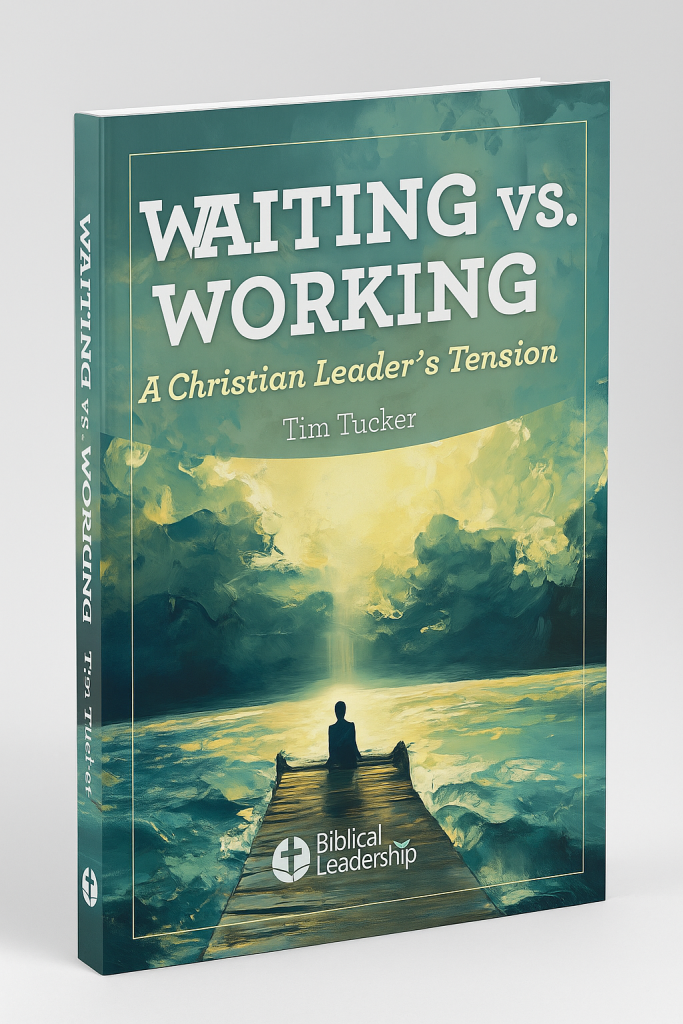
That tension has challenged and shaped me as a leader. It’s why I’ve written Waiting vs. Working: A Christian Leader’s Tension, which explores what I’ve learned about leading from a posture of dependence rather than drive alone. This shift, done for His glory, can unlock fruit far beyond any human effort. I know, because I’ve seen it.
Maybe that’s what Jesus meant when He said we’d do even greater things.
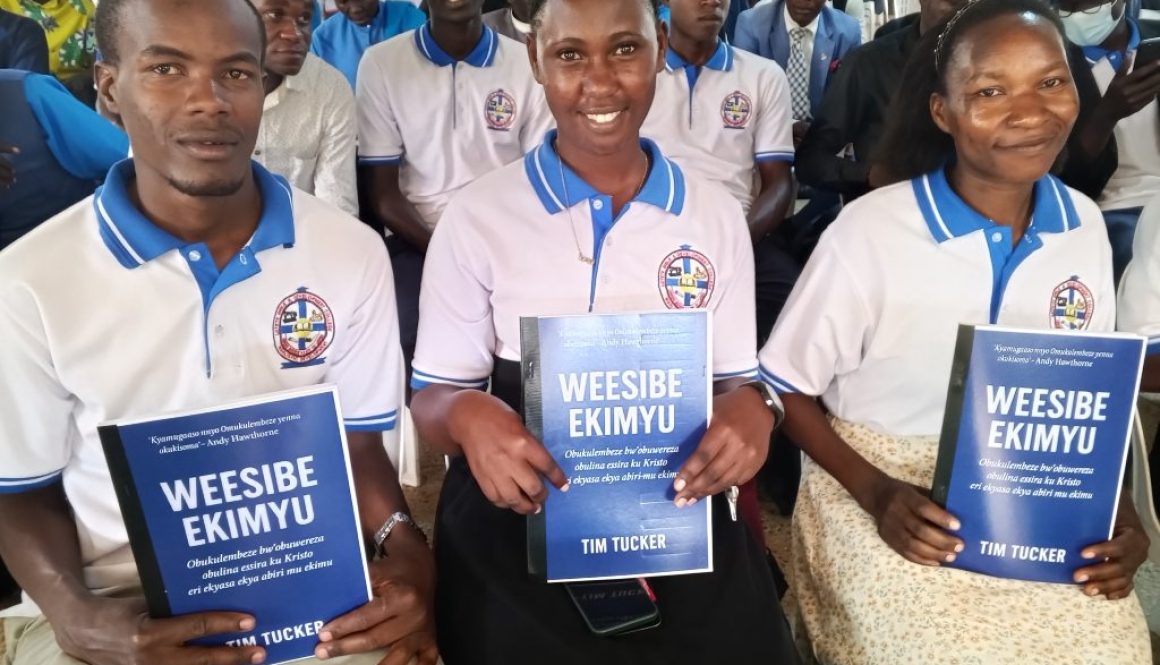
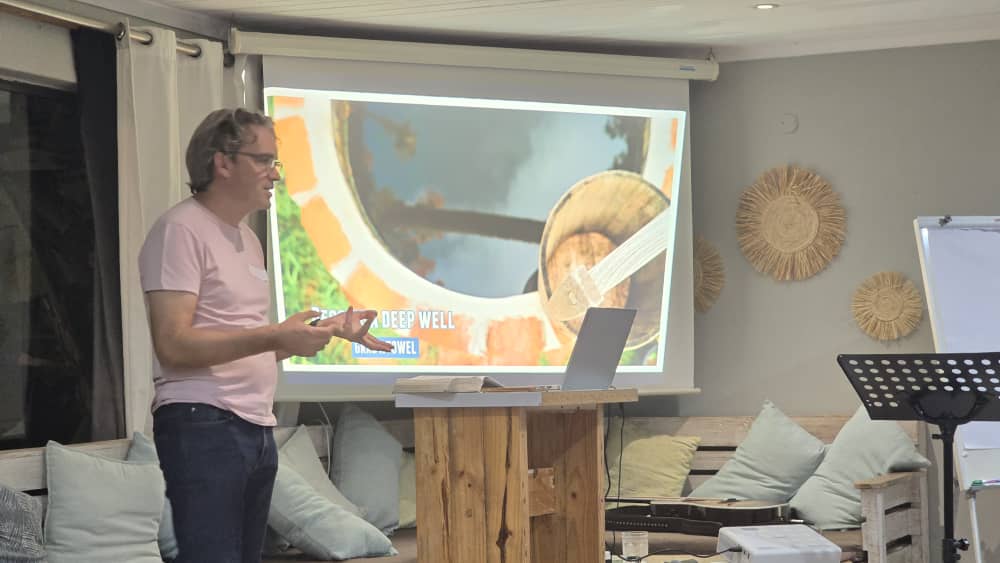
We are excited to announce the launch of the Luganda version of Grab a Towel, which took place in May 2025. The launch was held during a special training event for Anglican priests and lay readers, organised by The Message Uganda. In Luganda, Grab a Towel is translated as Weesibe Ekimyu, and we are grateful that the book is now accessible to a new audience in Uganda. The Luganda version will soon be available on this website.. Contact us for more information.
Godfrey E.N. Nsubuga was the chief translator for this project, and he submitted this review of Grab a Towel
I’m grateful to God for the opportunity to serve as the lead translator of Grab a Towel, a book by Tim Tucker, from English into Luganda. This translation journey allowed me to deeply engage with the content of the book. As a result, my longstanding knowledge and experience, as a Bible school teacher and church leader in various capacities for over 35 years, were profoundly challenged, paragraph by paragraph.
Right from the start, I was struck by the words of Pastor Anthony Liebenberg, who, in his endorsement at the beginning of the book, offered this caution to readers: “Get ready for adjustment after adjustment, because that’s what this book is all about. Grab a towel and enjoy the journey.”
The author presents Christian leadership through what can only be described as an “upside-down” approach—radically different from traditional concepts and practices. First and foremost, he emphasises that you are not truly a leader unless you are first a servant. Moreover, this leader must not only be rooted in Christ, but must also fully embody Christlikeness—inside and out.
A Christ-centred servant leader, according to the book, should consistently work with a heart focused on raising others up, ultimately phasing themselves out to make room for new, Christlike leaders they have mentored. The essence of this model is a leader who is always willing to “give away power” to those they have groomed, mentored, and discipled—to see them not only reach their level of leadership, but surpass it.
This message deeply challenged me. I found myself sitting down with my fellow ministry associates to reflect on our own efforts. We had to confront the reality: if, after several years, we have not yet raised up capable servant leaders to take over from us, we are doing too little. We have since adjusted our discipleship process in our church to ensure that our followers are empowered to reach their God-given potential as servant leaders as quickly and effectively as possible.
At the heart of Grab a Towel is the powerful idea that all the activities, programs, and projects of a ministry or church must revolve around a passion for people, not the other way around. Too often, ministries can become so focused on programs and activities that they lose sight of the people they are meant to serve. This leads to a “people for programs” model, instead of “programs for people.” In other words, everything we do should prioritise people, not treat them as appendages to our church or ministry calendar.
I’m deeply thankful to the author, Tim Tucker, for writing Grab a Towel. I truly believe this book will create ripple effects wherever it is read and used for training.
Godfrey E.N.Nsubuga is a trained journalist, theologian and teacher. For the last 30 years, he has written course books for the ministries of Education for Uganda, Zambia, Rwanda and Kenya. He has taught in several Bible Colleges in Uganda and currently he is managing Nissi Publishers (U) Ltd.
Many Christian leaders look to the biblical character Nehemiah for inspiration. His story—rebuilding the walls of Jerusalem amidst life-threatening opposition—is well known. With unwavering faith, he completed a seemingly impossible task because he believed deeply in the call God had placed on his life.
But beyond the big, dramatic moments of his leadership, there’s a more intimate and often overlooked scene that has shaped my approach to leadership. It’s found in Nehemiah 5:17–18:
“Furthermore, a hundred and fifty Jews and officials ate at my table, as well as those who came to us from the surrounding nations. Each day one ox, six choice sheep and some poultry were prepared for me, and every ten days an abundant supply of wine of all kinds. In spite of all this, I never demanded the food allotted to the governor, because the demands were heavy on these people.”
To my mind, this is servant leadership at its finest.
Not only did Nehemiah reject the privileges normally afforded to someone in his position, but he also used his personal resources to provide for his leadership team. Can you imagine being a fly on the wall at that daily barbecue? No wonder his team served alongside him with such loyalty and sacrifice.
A Leader Who Empowers
Nehemiah understood that the secret of great leadership is to serve and empower others to fulfill the calling God has placed on their lives. By setting a generous table, he wasn’t just feeding people—he was multiplying his impact through the leaders around him.
That’s my dream, too.
As the African Development Director for The Message Trust, I’ve felt called to empower and equip emerging African leaders. In my context, that means laying a table of resources, opportunities, and support—a place where others can thrive and grow.
A Table for the Continent
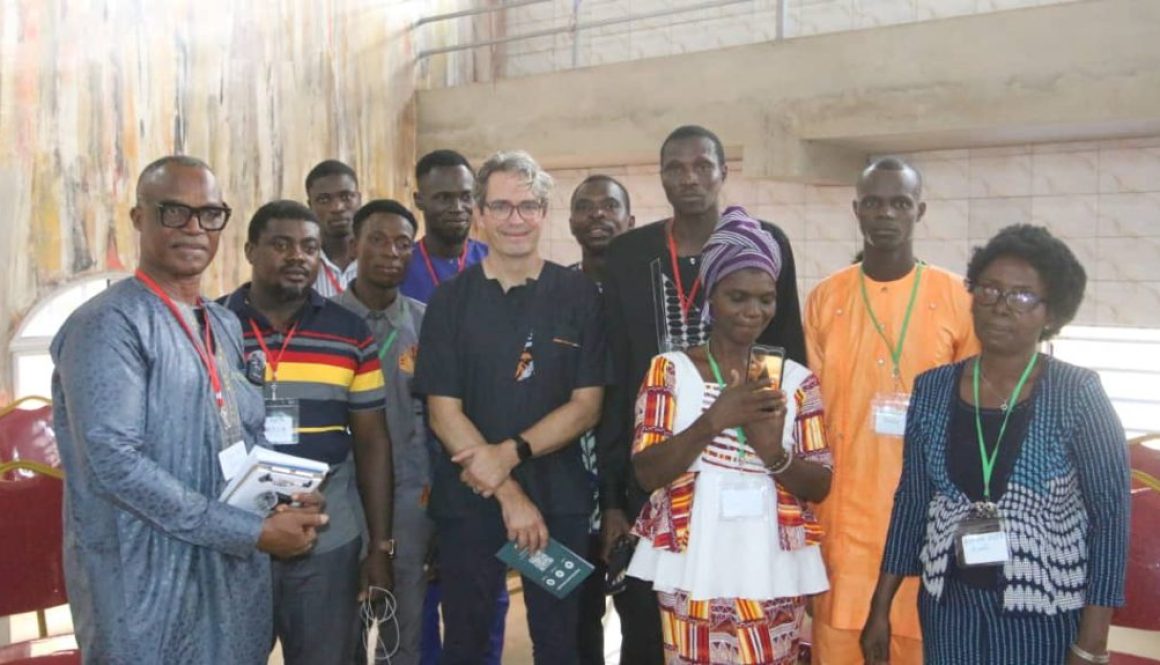
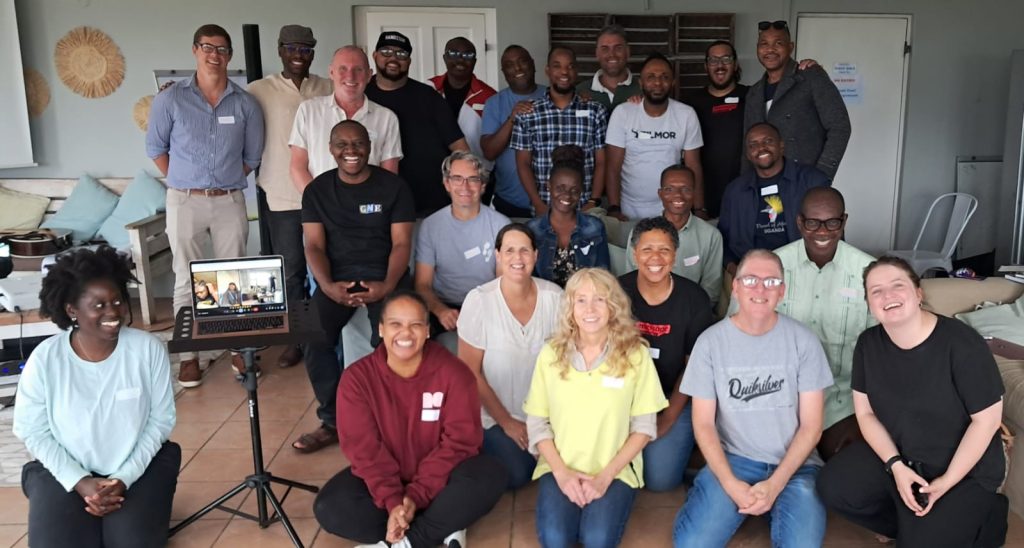
Recently, we took a significant step toward that vision by hosting our first Africa Leaders Summit in Cape Town, South Africa. We gathered over 20 leaders from 11 African countries—each one passionate about reaching their communities with the hope of Jesus.
Our goals were simple but powerful:
Foster unity
Learn from one another
Launch an African Leaders Network to strengthen our shared mission
Our desire is to reach the least, last, and lost with the Good News of Jesus—and to see them flourish in both faith and life. This summit was just the beginning.
Worship, Wisdom, and a Shared Vision
Some of my favorite moments from the summit were during worship and prayer. We praised God in unity while expressing our diversity in language, culture, and style. It was a beautiful glimpse of the Church in all its richness.
Another highlight was simply listening—hearing how God is moving in different regions of the continent. The depth of insight and quality of conversation was truly inspiring.
Support the Movement
Please pray for the continued development of our Africa Leaders Network. If you’d like more information or want to get involved, feel free to reach out.
I’ll close with a powerful quote from one of our summit delegates:
“Meeting people from diverse backgrounds and different countries was truly enriching. It provided a unique opportunity to learn from one another’s experiences, cultures, and perspectives. These interactions not only broadened my understanding of global issues but also fostered meaningful connections that I hope will grow into lasting partnerships.”
The first Message Africa Leaders Summit, with delegates representing South Africa, Zimbabwe, Uganda, Nigeria, Togo, Gabon, Ghana, DRC, Ethiopia, Ivory Coast, Kenya and UK.
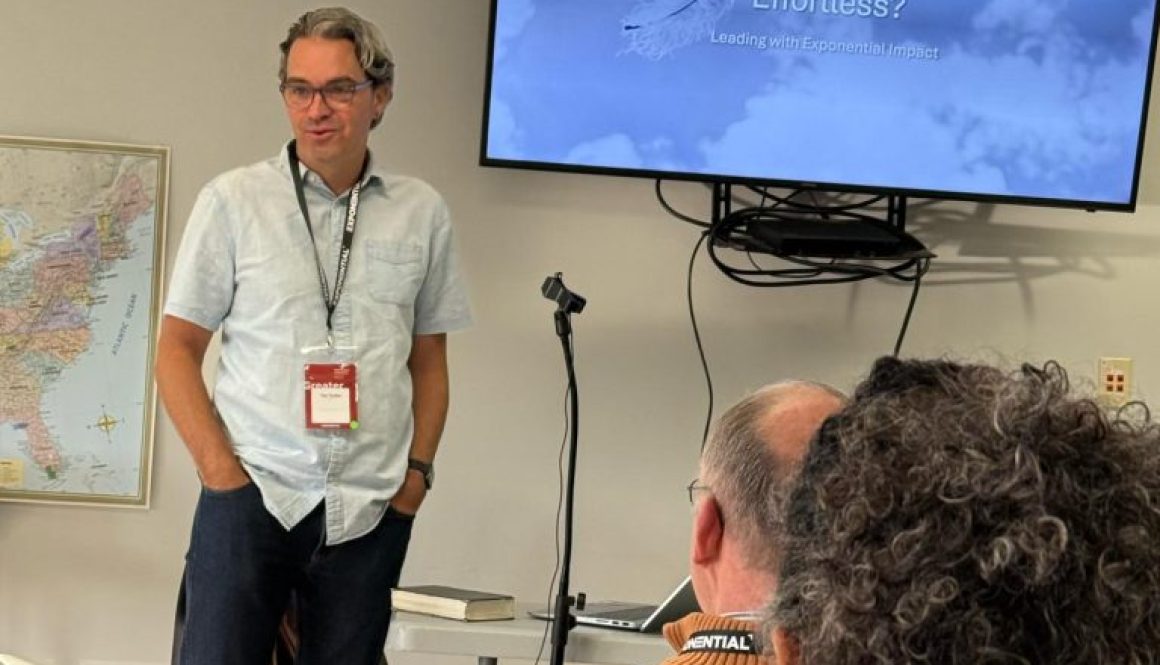
Leading with Exponential Impact was the workshop I presented at the recent Exponential Global Conference* in Orlando, Florida. Exponential gathers 6,000 church planters, church leaders and ministry leaders from across the U.S., together with a scattering of participants from other countries (like me). The theme for this year’s conference was Good, Great, Greater, based upon Jesus’ words in John 14:12:
‘Very truly I tell you, whoever believes in me will do the works I have been doing, and they will do even greater things than these, because I am going to the Father.‘
The plenary sessions applied the theme to leadership, church planting and urban mission. A couple of hundred workshops helped delegates explore various aspects of the theme. I attended diverse workshops relating to spiritual growth, developing diverse teams and event management. One of the highlights for me was being part of the ministry team that prayed for hundreds of people on the final morning, commissioning them for greater impact in their lives and ministry.
In my workshop, I built upon the Effortless theme (which I’ve previously written about on this blog – click here for the articles) and considered our biblical mandate to lead with exponential impact, meaning fruitfulness beyond our efforts. The mainstream view of leadership suggests that rewards are directly proportional to our efforts. However, as Christ-centered servant leaders, I believe the Bible teaches us to expect greater fruit, not in the form of personal rewards, but in the impact we have for the Kingdom.
For this to happen, we need to have a paradigm shift in how we lead. In my workshop, I proposed that this shift has three key elements, as illustrated in the image below.
I will unpack each of these shifts in upcoming articles. However, to pique your interest, you can view my slides from the presentation by clicking the download link below.
The worship, the opportunity to engage with passionate believers, and the pursuit of the Holy Spirit made this conference an incredibly valuable experience. My biggest takeaway can be summed up by this quote from Andrew Murray:
‘God’s children, in the first place, require a revival – a new revelation by the Holy Spirit of what is the hope of their calling, of what God does indeed expect from them, and of the life of power and consecration, of joy and fruitfulness, which God has prepared for them in Christ.’**
If you were asked, ‘What kind of leadership do we need in the 21st century?’ I wonder what your answer would be. More specifically, how can we, as Christ-centered servant leaders, have the greatest missional impact in this historical moment of uncertainty, strife, and anxiety?
This verse has been at the forefront of my mind over the past few months:
Praise be to the God and Father of our Lord Jesus Christ, the Father of compassion and the God of all comfort, who comforts us in all our troubles, so that we can comfort those in any trouble with the comfort we ourselves receive from God. (2 Corinthians 1:3-4)
It strikes me that this verse helps define servant leadership.
Christ-like servant leaders are equipped to comfort others because they have received the comfort of a loving heavenly Father. However, providing comfort doesn’t sound like the kind of gung-ho leadership that’s so highly valued in the 21st century. It wouldn’t make the front cover of the leadership guru books we find in mainstream bookstores, which often seem to need an expletive to become a best-seller.
And yet, in a world full of pain, we serve people best by comforting them in their trouble with the comfort that we have received from God.
Paul isn’t talking about mere sympathy—a pat on the back and telling people to hang in there because it will be alright in the end. We are not to deal in platitudes or greeting card slogans. Rather, this kind of comfort is an inner strengthening through wise counsel and deep encouragement. It is faith-fueled and hope-filled, coming from a place of deep empathy. It is committed to walking alongside someone as they navigate their painful experiences.
When we provide this kind of comfort, we are engaging in Trinitarian ministry. The word Paul repeatedly uses in this passage is paraklesis. Translated here as comfort, it is the same word used to describe the Holy Spirit as our Helper in John 14:16 and of Jesus as our Advocate in 1 John 2:1. The Father, the Holy Spirit, and the Son are our comfort, help, and advocate. As servant leaders, we extend this ministry to others. We are comforters, helpers and advocates to those going through difficulties.
Our qualification for this ministry is not based on our title or academic credentials. We are equipped for this ministry through our experience. Everyone who has received the comfort of the loving and compassionate Father of our Lord Jesus Christ is equipped to extend that comfort to others.
This is the counter-cultural nature of biblical leadership. It is the original pay-it-forward model of leadership. We pass on to others what we have received, igniting a movement of compassionate support that equips people to flourish in faith and life. This is how the mission of God will expand in the world: through this kind of servant leadership in action.
Becoming a biblical servant leader is a long, winding journey of faith. Along the way, we reach one personal growth milestone only to start heading toward the next. As we grow and mature in wisdom, we learn every step leads away from self and toward Christ. More of him, less of us! The seven biblical “requirements” below are intended to help you take your own next steps. While there are many others that could be added, I pray this checklist spurs you to chase after the Lord’s wisdom, no matter what leadership level you’ve already reached.
Ground yourself in God’s Word
Biblical leadership begins with a solid foundation in Scripture. Regularly reading, studying, and reflecting on God’s Word provides us with divine guidance, spiritual strength, and an eternal perspective. The Bible not only informs our decisions, it transforms our character so we can lead others in the direction of God’s will.
“Your word is a lamp to my feet and a light to my path.” —Psalm 119:105
Question: How often do I read the Bible?
Cultivate spiritual disciplines
Prayer, fellowship, discipleship, service, and sharing our faith are spiritual “habits” that keep us connected to the Lord. By making these disciplines a natural part of our routine, we’ll grow in faith, rely on the Holy Spirit’s power, and model a lifestyle that inspires others.
“Train yourself to be godly. For physical training is of some value, but godliness has value for all things, holding promise for both the present life and the life to come.” —1 Timothy 4:7-8
Question: Is it time to begin a new spiritual habit?
Control your tongue and speak with grace
Leaders influence others through their words, so how we speak matters deeply. A godly leader avoids harshness and gossip, seeking instead to encourage, bless, and strengthen. Gracious, truthful words foster trust, unity, and respect among those we lead.
“Do not let any unwholesome talk come out of your mouths, but only what is helpful for building others up…” —Ephesians 4:29
Question: Do I need to be more gracious and patient with people?
Embrace humility and a servant’s heart
Biblical leaders don’t chase the spotlight. Jesus set the ultimate example by humbling himself and serving those around Him. By prioritizing the needs of others—lifting them up rather than seeking our own honor—we’ll cultivate genuine trust and loyalty.
“For even the Son of Man did not come to be served, but to serve…” —Mark 10:45
Question: When was the last time I let someone take credit for my work?
Practice love and forgiveness
Love is the hallmark of every true disciple. When our leadership is driven by love, we’ll approach people with kindness, patience, and understanding. As we forgive others—just as God has forgiven us—we break down barriers, heal relationships, and create an environment where everyone can thrive.
“Forgive as the Lord forgave you.” —Colossians 3:13
Question: Do I need to be more forgiving of others?
Use authority to build others up
Our leadership roles may grant us authority, but it’s never a license to dominate. Instead, we should use our positions to serve, strengthen, and uplift. Encouraging others and entrusting them with responsibilities not only develops their gifts but also reveals Christlike leadership that honors God and dignifies people.
“…the authority the Lord gave us for building you up rather than tearing you down…” —2 Corinthians 10:8
Question: How am I doing with delegating to others?
Seek wisdom and follow Christ’s example
True servant leadership requires ongoing growth. We need to spend time with wise mentors, remain teachable, and pray for God’s guidance. Above all, we should look to Jesus—study how he lived, how he loved, and how he led. Aligning our lives with his example ensures that our influence points people toward the Kingdom, the most important goal for any biblical leader.
“Follow my example, as I follow the example of Christ.” —1 Corinthians 11:1
Question: Do I actively seek to grow in wisdom, or do I just passively learn from experience?
As we practice these seven requirements and rely on the Holy Spirit’s help, we’ll discover that leading like Christ means wisely seeking the benefit of everyone we have the privilege to serve. It also means leading people into their own relationship with Jesus, helping them grow in their faith, and always having a Kingdom perspective.
Final question: Which exhortation from the list above will you work on next?
May you be blessed on your journey!
Wisdom makes one wise person more powerful than ten rulers in a city. —Ecclesiastes 7:19 (NIV)
I find that humorous because, at no point, have I ever been described as “pizzazzy.” One of my mentors likes to remind me that I’m “low energy.” He’d like me to work on my pizzazz.
I understand the pizzazz attraction. (I’m referring to charisma – if my word threw you.) We’ve all been in rooms where someone walks in and immediately grabs and holds everyone’s attention. They’ve got “it” as they say in Hollywood.
So, I work on my pizzazz skills. It’s easier to be “it” than “not it.” Also, I think it’s good to keep working on things and improving. But here’s the thing: I built success without stacks of pizzazz. Being steady, objective, and unflappable are valuable traits.
So, while a magnetic charisma is handy – it isn’t necessary.
You don’t need charisma to be a fantastically effective leader
If you naturally burst with charisma, good for you. I mean that. Use it. It will definitely make some things much easier. If you don’t have it, it won’t hurt to spice things up a bit.
But you don’t have to be charismatic. Charismatic leaders have their unique challenges.
Because I have more nerd in me than charisma – I like to wander through the research on topics. Here are the facts about charisma:
Charisma doesn’t guarantee effectiveness:
It’s a good ingredient to have. However organizational success requires more. And you can be successful without it. So, it’s like icing on the cake. Charisma is a ‘nice to have’ – not necessary. Numerous studies have found that charisma is not a reliable predictor of a leader’s performance or a company’s profitability.[1][4]
Other qualities matter much more:
Jim Collins highlighted this in his book Good to Great. Leaders of companies that sustainably outperform both their competition and the market were not described as charismatic. They largely escaped being recognized as ‘celebrity leaders’. Attitudes like humility and a passion to help the whole organization win were what rose to the top. Competencies like strategic thinking, decision-making, and motivating others have, elsewhere, been found to be more important than charisma.[4][5][6]
People confuse charisma with impact:
Followers tend to attribute extraordinary qualities to leaders they perceive as charismatic, even when the leader’s actual impact is negligible. This ‘rose-coloured glasses’ / infatuated view of some leaders leads to an overemphasis on charisma. Leaders with high charisma, who are otherwise ineffective, can still be perceived to be effective. This is important to keep in mind when considering advancement or succession. Don’t get blinded by a charismatic leader’s beauty – so to speak.[2]
Charismatic leaders struggle to build commitment:
What is easily won is easily lost. Charismatic leaders can wow an audience with their visionary abilities. Often they easily inspire a superficial level of commitment. But that commitment tends to be unstable over time. I used the word ‘infatuation’ earlier. The result is a tendency for these leaders to keep the infatuation going – by doing ‘charismatic’ things to attempt to renew their admirer’s commitment. Another word for this can be drama. Nothing like a white knight swooping in to save everyone from a disaster (that, too often, they allowed or created.) [3]
Charismatic leaders can lean on toxic behaviours:
Charismatic leaders who haven’t built a robust set of leadership skills and emotional maturity can tend to just lean in on their charisma. This can cause them to surround themselves with people who enable toxic behaviours like narcissism, authoritarianism, and unethical conduct. This is especially true if these leaders face minimal accountability.[1][5]
Research indicates that effective leadership stems from competencies rather than charisma alone.
But I am a charismatic leader. What do I do?
Develop genuine character and integrity. Cultivate strong moral principles, cultivate authenticity, and practice humility.
Place yourself in a position of accountability. Specifically with people who aren’t ‘wowed’ by you. If this isn’t at work, find a mentor, a coach, or a peer group of caring but unimpressed people whom you respect.
Build wisdom, knowledge, and competence. Develop actual expertise, strategic thinking abilities, and decision-making skills.
Deliver meaningful results and impact. Follow through and produce positive outcomes that benefit the organization and its stakeholders.
Build trust through compassion and consideration of others. Balance your confidence with humility, empathy, and concern for the interests of others.
Engage in continual self-improvement and learning from mistakes. Build the self-awareness to identify areas for growth, learn from failures, and evolve your leadership.
Conclusion
Effective leadership doesn’t require charisma. It requires character and competency. Dependence on charisma can create real problems for leaders. But charisma, if combined with character and competency is a killer combo. (Check out that alliteration!)
Christian Muntean has helped hundreds of businesses rapidly grow, increase profitability, and expand impact. He primarily works with entrepreneurial business leaders who are scaling their businesses or preparing for exit or succession. He partners with owners, boards, and executive teams as they make game-changing decisions.
Earlier this year I was asked to contribute an article to the Lausanne Movement as they prepare for their global congress in South Korea later this year. It was a privilege to have my article published in July.
The Lausanne Movement has been at the cutting edge of global missions since the 1970s. Their website states,
With a rich history spanning over five decades, the Lausanne Movement has been at the forefront of global mission through fostering Christian collaboration, platforming missional strategy, and equipping leaders and influencers to fulfil the Great Commission.
I have greatly admired the Lausanne Movement – though largely as a consumer of their content rather than an active participant. It was, therefore, an incredible privilege to be invited to attend the African and Middle East regional conference in Ethiopia in November 2023. I’m really looking forward to participating in the fourth global congress in September 2024.
Michael Oh, the Global Executive Director of the Lausanne Movement says:
Lausanne 4 is a multi-year, global, polycentric process facilitated by the platform of Lausanne, towards catalytic collaboration of the global church, for the discipling of all nations and the shaping of the world in 2050.
I feel this is a compelling vision and one that requires a high commitment to partnership and collaboration. The movement’s fourfold vision is to see ‘the gospel for every person, disciple-making churches for every people and place, Christ-like leaders for every church and sector, and kingdom impact in every sphere of society‘. It is encouraging that Christ-like leadership lies at the heart of Lausanne’s vision. So, although my article is just one contribution to a larger body of work that has been developed over many years, it was wonderful to have the opportunity to encourage everyone within the Lausanne movement to grab a towel and follow Christ’s example.